
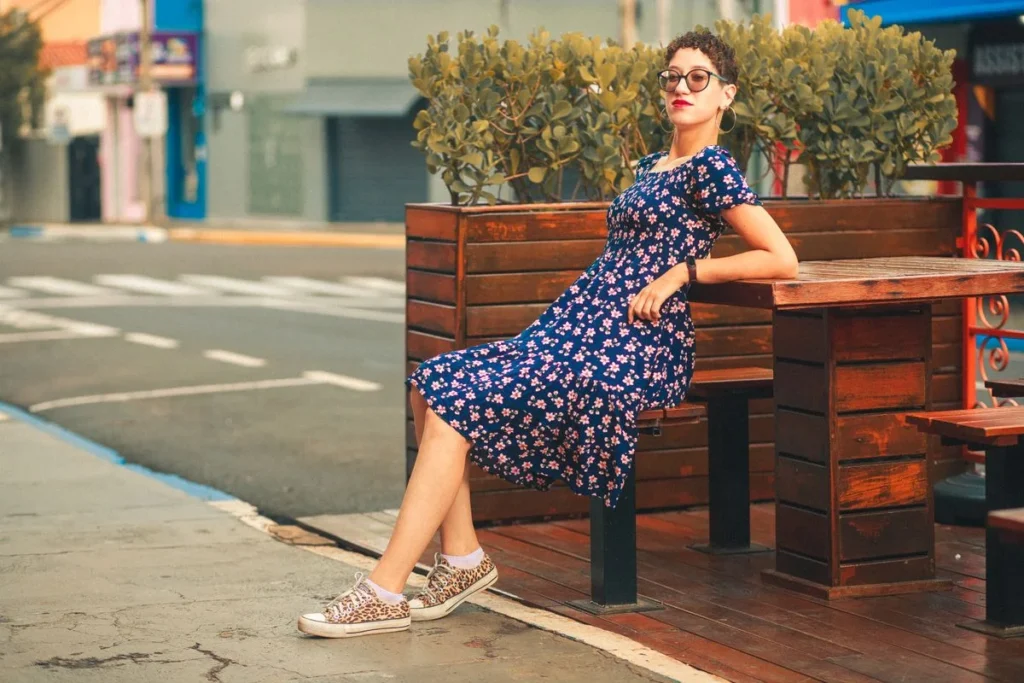
A sundress is the closest thing fashion has to a warm-weather cheat code. One piece, no outfit math, and you look pulled together whether you’re grabbing iced coffee or heading to a rooftop dinner in the heat. So I stopped collecting them and started cutting, and what’s left is the edit below.
This post contains affiliate links. If you purchase through my links, I may earn a small commission at no extra cost to you. I only recommend pieces I’ve actually worn, in real heat.
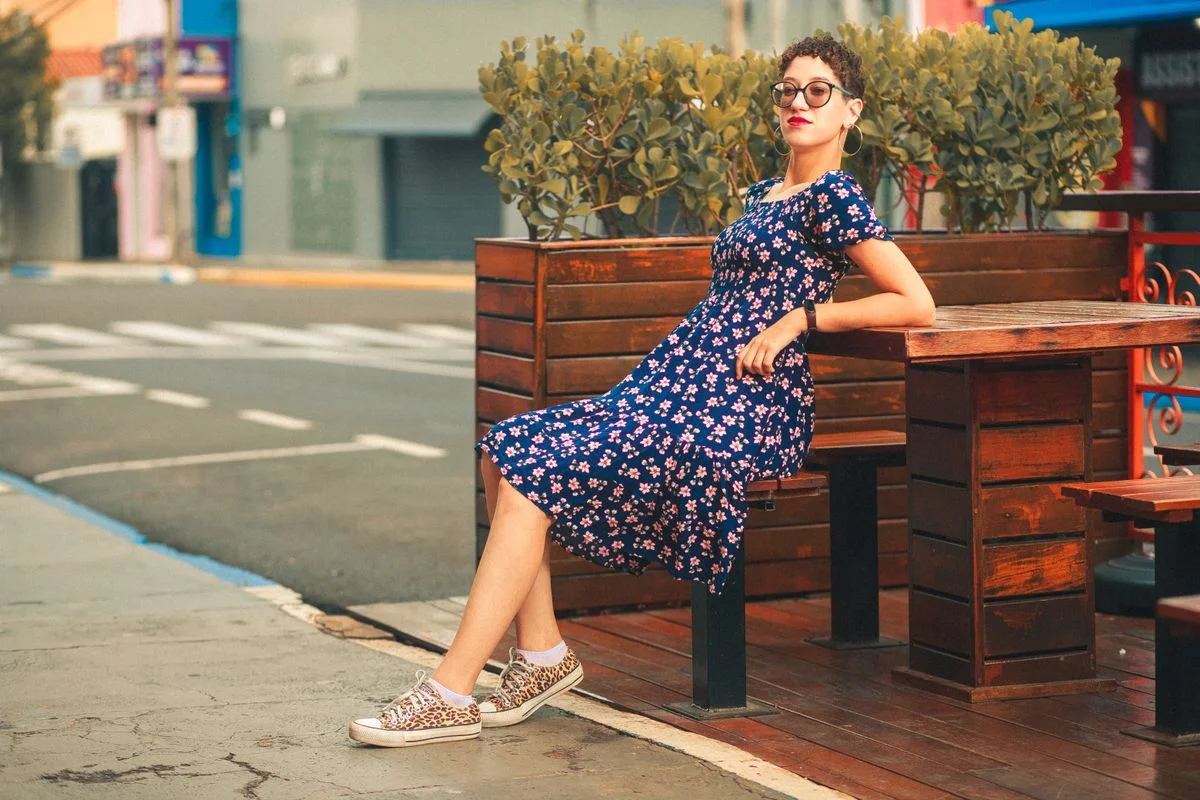 ” alt=”Stylish woman in a floral sundress relaxing outdoors” />
I pulled my favorite sundresses on Revolve“>Revolve into one list, across price points and occasions. These are the breezy, breathable ones I reach for when it’s too hot to think about what to wear, not a random algorithm grab.
The radar keepers, right now
Every dress in this edit lives in my Revolve“>shop, and it’s a mix on purpose: easy cotton day dresses, flowy vacation maxis, and a few going-out styles for warm summer nights. Tap through to see price, sizing, and colorways before you decide, because a sundress has to pass the real-life test, not just the screenshot test.
Ready to find yours? Shop the full sundress list on Revolve“>The edit is live, and it is updated as new pieces drop.
What actually makes a sundress work
A sundress is a lightweight, usually sleeveless dress in breathable fabric, built for warm weather. It solves the hardest part of dressing in heat: looking put-together without overheating. That makes it the highest cost-per-wear piece in your summer rotation, if you pick the fabric and the silhouette first.
The short answer: cotton, linen, and lightweight blends win, in a flowy midi or maxi for daytime and a fitted mini or slip for warm evenings. Prioritize fabric and fit over trends. A sundress you feel comfortable in is the one you’ll actually wear all season, and a sundress you wear is the one that earns its price tag.
How I chose: fabric first, silhouette second, occasion third
Getting those three right matters far more than chasing any micro-trend.
Fabric first. Cotton, linen, and lightweight viscose blends breathe and keep you cool. Heavy synthetics trap heat, so I skip them for peak summer days. If a dress feels warm in the shop, it will feel warmer outside.
Then silhouette. A flowy midi or maxi flatters almost everyone and reads elevated for day. A fitted slip or mini is the fast option for a warm evening, because it shifts from daytime to dinner with zero effort.
Then be honest about the occasion. A sundress that fits your real summer plans is the one you’ll get your money’s worth from. If you can’t name two places you’ll wear it, it’s probably a pass.
One dress, three ways across a summer
The same sundress can go from errands to dinner with a few swaps. This is the outfit formula I actually use.
Daytime and errands: flat sandals, a straw bag, simple gold jewelry. Easy, cool, and done in a couple of minutes.
Vacation and beach: layer a maxi over a swimsuit as a coverup, add slides, and let the dress do the work. One piece, two functions, which is exactly the math a capsule should be doing.
Warm-night dinner: a heeled sandal, a small shoulder bag, and a swipe of blush. A slip or mini shifts to evening instantly, no outfit change required.
The mistakes that fill dressers with regret
Most sundress regrets come from buying for a fantasy instead of your real life.
- Ignoring the fabric. A gorgeous dress in a hot, clingy synthetic stays in the closet. Check the composition before anything else.
- Buying for a goal size. A sundress that fits the body you have now is the one you’ll actually wear. Comfort reads as confidence.
- Skipping the occasion test. No two real uses in your life, no purchase.
- Forgetting the undergarments. The right bra or a slip changes how a dress hangs, so factor it in before you decide.
- Chasing only trends. Trend pieces date fast. Anchor the edit with a few timeless silhouettes you’ll re-wear for years.
How it should fit
A sundress should skim, not cling, so air can move and you stay cool. Check the shoulders and bust first, since those are the hardest to alter, and if they fit, the rest usually follows. Structured cotton holds its shape, while jersey and slip fabrics show everything, so size up if you want more ease. When in doubt between two sizes in a flowy style, take the larger one. It almost always looks and feels better in summer heat.
For color, whites, creams, soft pastels, and bright saturated tones all read as summer, and lighter shades reflect heat so they feel cooler on the body. If you want one versatile pick, a white or cream sundress styles endlessly across your whole rotation.
And you don’t need many. Three to five cover most people: one easy day dress, one vacation maxi, one event style, one evening slip. Quality and versatility beat a closet full of dresses you never wear.
How I picked these
This isn’t a random grab. Across spring and summer I wore and returned a lot of dresses to build this shortlist, keeping only the ones that were comfortable in real heat, flattering across sizes, and versatile enough to restyle. Anything scratchy, badly see-through, or impossible to sit down in got cut. The result is a tight edit I’d actually spend my own money on, which is the only standard that matters to me.
FAQ
What are the best sundresses for 2026?
Breathable cotton and linen day dresses, flowy midi and maxi styles for vacation and events, and slip or mini dresses for warm evenings. Prioritize fabric and fit over trends for pieces you’ll actually wear all season.
What fabric is best for a sundress?
Cotton, linen, and lightweight viscose blends, because they breathe and keep you cool. Avoid heavy polyester and thick synthetics, which trap heat and moisture.
What sundress is most flattering?
A flowy midi or A-line sundress, because it skims the body and defines the waist without clinging. For evening, a bias-cut slip flatters by following your shape gently. Ultimately, the most flattering one is the one that fits your shoulders and bust well.
Are sundresses supposed to be tight or loose?
They should skim rather than cling, so air can move and you stay cool. Loose and flowy styles are the most comfortable in heat, while a fitted slip works for evening. Between two sizes in a flowy style, size up.
Where should I buy sundresses?
Revolve is my go-to, because the quality, fit, and range span vacation, event, and everyday styles. For budget fill-in pieces, I also shop Zara and H&M.
How many sundresses do I actually need?
Three to five: one easy day dress, one vacation maxi, one event style, and one evening slip. Buy the ones you can restyle across several occasions, and skip the rest.
A note from Sophie: the right sundress is the kind of piece that makes you stand a little taller when you catch your reflection, without you having to try. That’s the whole point of the radar. Worth it? Maybe. Worth your attention? That’s the radar’s job. Stay on the signal.
For more dress inspiration, my wedding guest dress picks“> and my lace dress styling guide“> are the natural next reads.